Sustainable Rural Living Powered by Solar Technology

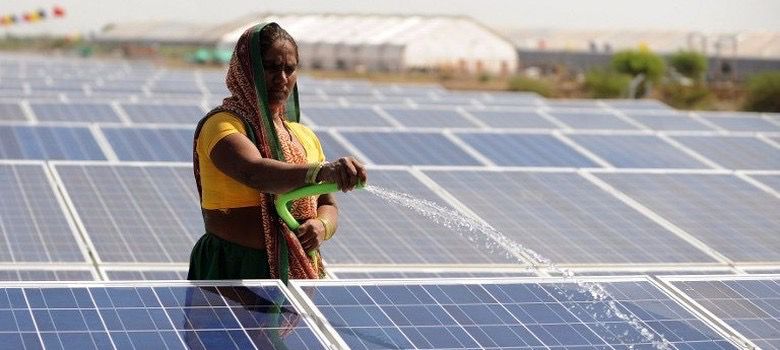
Eco-villages are community-driven, environmentally friendly settlements that integrate renewable energy and sustainable practices to improve livelihoods while protecting natural resources. Central to this model is the use of solar-powered technologies that empower rural communities, especially women, by enhancing productivity and reducing dependence on fossil fuels.
Key solar-based innovations in eco-villages include: Eco-villages are community-driven, environmentally friendly settlements that integrate renewable energy and sustainable practices to improve livelihoods while protecting natural resources. Central to this model is the use of solar-powered technologies that empower rural communities, especially women, by enhancing productivity and reducing dependence on fossil fuels.
Key solar-based innovations in eco-villages include: Solar Dryers: These devices use solar energy to dry agricultural produce efficiently, reducing post-harvest losses and enabling farmers to add value to their crops sustainably. Solar Cookers: Solar cookers harness sunlight to prepare meals without the need for firewood or fossil fuels, promoting clean cooking and reducing indoor air pollution. Solar Sewing Machines: Electrically powered by solar panels, these machines enable women artisans to work sustainably, increasing income opportunities while minimizing carbon footprints.
Solar-based Charkhas: Traditional spinning wheels powered by solar energy support sustainable textile production, preserving cultural crafts and providing eco-friendly livelihoods. These technologies are part of a broader Eco-Village Development (EVD) model, which
Emphasizes: Decentralized, affordable, and low-carbon solutions tailored to local resources and needs. Community ownership and management, especially involving women and youth, to ensure sustainability and empowerment. Integration with renewable energy micro-grids (e.g., solar pico-grids) providing reliable electricity for households and productive uses. Complementary practices such as organic farming, water management, and waste recycling to create a holistic sustainable ecosystem. Examples from South Asia demonstrate that eco-villages powered by solar energy not only reduce carbon emissions and energy costs but also improve education, health, and economic outcomes for marginalized groups. By adopting solar dryers, cookers, sewing machines, and charkhas, eco-villages foster climate-resilient, inclusive rural development that aligns with global sustainability goals and national renewable energy commitments.

Agri-Photovoltaics (Agri-PV)

At Heliosvento we go beyond traditional solar farms by designing solutions that co-optimize clean energy generation and sustainable agriculture. Our Solar + Agri-PV development services empower landowners, developers, and communities to generate power without displacing livelihoods or biodiversity.

Agri-Photovoltaics (Agri-PV)

Agri-PV systems allow dual use of land — combining solar energy generation with agricultural cultivation or livestock grazing under and between solar panels. It’s a smart way to increase land productivity, improve climate resilience, and support rural incomes.
Our Services
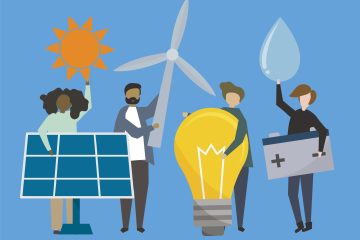
At HeliosVento, we are committed to help our clients understand their unique energy challenges and deliver an extremely customized array of services and products to approach their energy objective.
People with renewable energy resources illustration

Site Selection & Feasibility Studies

Successful crop cultivation depends on a careful balance of several environmental factors, with soil, sunlight, water availability, and cropping compatibility playing pivotal roles. Soil quality serves as the foundation, influencing root development, nutrient uptake, and overall plant health. Loamy soil, rich in organic matter and with a neutral pH between 6.0 and 7.5, is considered ideal for most crops.
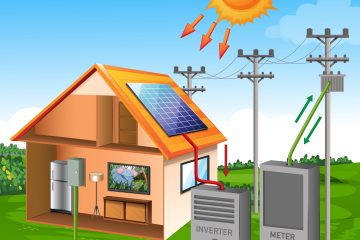
Solar cell system house with sun cartoon style on meadow and sky background illustration

Integrated Design & Layout Planning

The use of elevated structures, proper plant spacing, and light optimization are essential strategies for enhancing crop productivity and resource efficiency, especially in space-constrained or controlled environments. Elevated structures—such as raised beds, vertical gardens, or tiered planting systems—not only improve drainage and reduce soil .
Farmer-Centric Engagement Models

The concepts of ease, co-farming, and benefit-sharing frameworks are increasingly shaping the future of sustainable and inclusive agriculture. Ease in farming refers to simplifying agricultural operations through shared resources, accessible technology, and streamlined workflows, reducing the burden on individual farmers This leads naturally into co-farming, a collaborative model where multiple farmers or stakeholders Farmer-centric engagement models prioritize

Crop Planning with Agri Experts (low-height or shade-tolerant crops)
Crop planning with agricultural experts plays a crucial role in optimizing farm productivity, especially when working with spatial constraints or varying light conditions. Experts help farmers assess environmental factors such as light availability, soil quality, and water access to design effective cropping systems tailored to local conditions.

Execution & Monitoring (EPC + agri advisory + O&M)

Execution and monitoring in modern agriculture involves a coordinated approach that blends infrastructure development with expert guidance and ongoing system upkeep. The EPC (Engineering, Procurement, and Construction) component focuses on the timely setup of essential farm infrastructure such as irrigation systems greenhouses, raised beds.

Carbon Credit Readiness & SDG Reporting

Carbon credit readiness and SDG reporting are becoming critical components of climate-resilient and sustainability-focused agriculture. Carbon credit readiness refers to the process of preparing agricultural or land-based projects—such as agroforestry, regenerative farming, or improved soil management—for participation in verified carbon markets.

Why Agri-PV?

Skill Development & Green Skilling in Renewable Energy
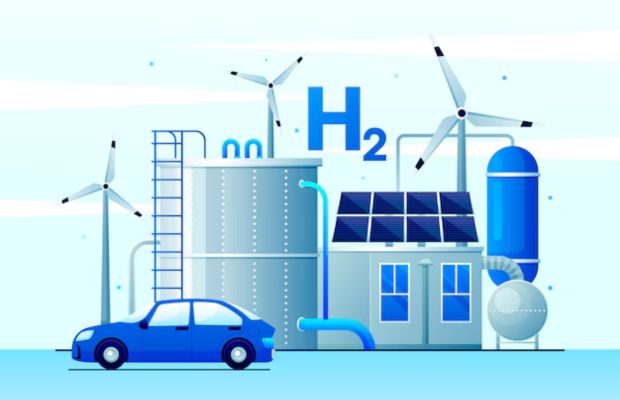
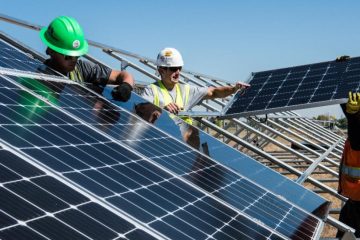
At Heliosvento ..we believe the energy transition must be powered by people as much as by technology. That’s why we’re deeply committed to green skilling and capacity building in the renewable energy sector — preparing India’s youth and workforce for the clean energy economy.

Our Focus Areas:

Flagship Programs:

solar3 (2)

Solar Technicians & Installers Training
00869

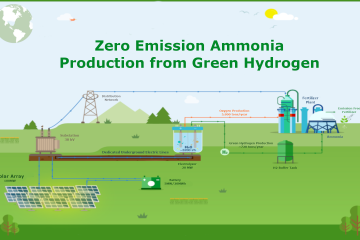
Green Hydrogen & Ammonia Fundamentals
64426-body

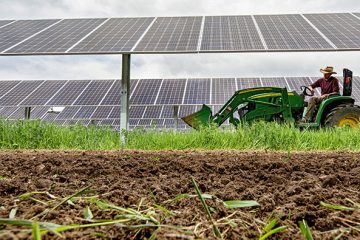
Agri-PV Systems & Rural Energy Entrepreneurship

Powering People & Planet One Sustainable Solar Farm at a Time.

Contact us to co-develop Agri-PV projects that deliver energy, equity, and ecology.
Contact us to co-develop Agri-PV
Name